Academic Programs & Partnerships
About
Fieldnotes Wine works with universities and institutions to design programs that use wine and food as entry points into deeper questions about history, heritage, and power. My PhD research examined how cultural heritage is reshaped in response to political agendas and international pressure. That perspective informs my work now, where wine becomes a way to explore how landscapes, traditions, and identities are constructed—not just inherited—and how they are evolving under the pressures of climate change and shifting politics.
Ways of Working Together
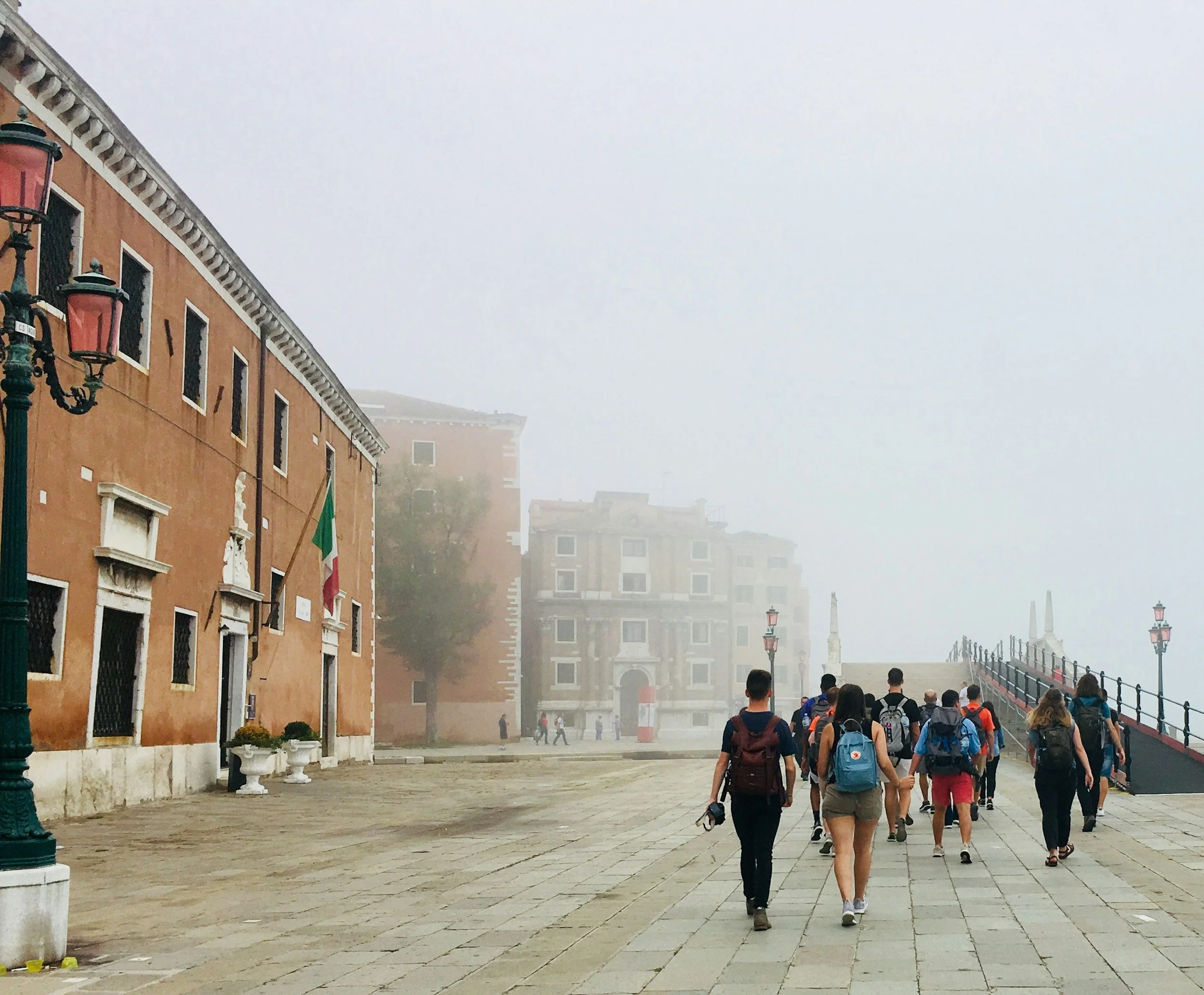
Study abroad and short-term academic programs
Faculty-led travel design and support
Alumni and community wine programming
Guest lectures and course collaborations
Place-based learning modules focused on food, wine, and cultural heritage
Approach
Programs are designed to move beyond surface-level experience. Wine and food are treated not as standalone subjects, but as entry points into larger systems—of history, labor, landscape, and identity. Whether in Italy or in a classroom setting, the goal is to help students and participants learn how to observe, interpret, and engage with place in a more meaningful way.
Italy-Based Programs
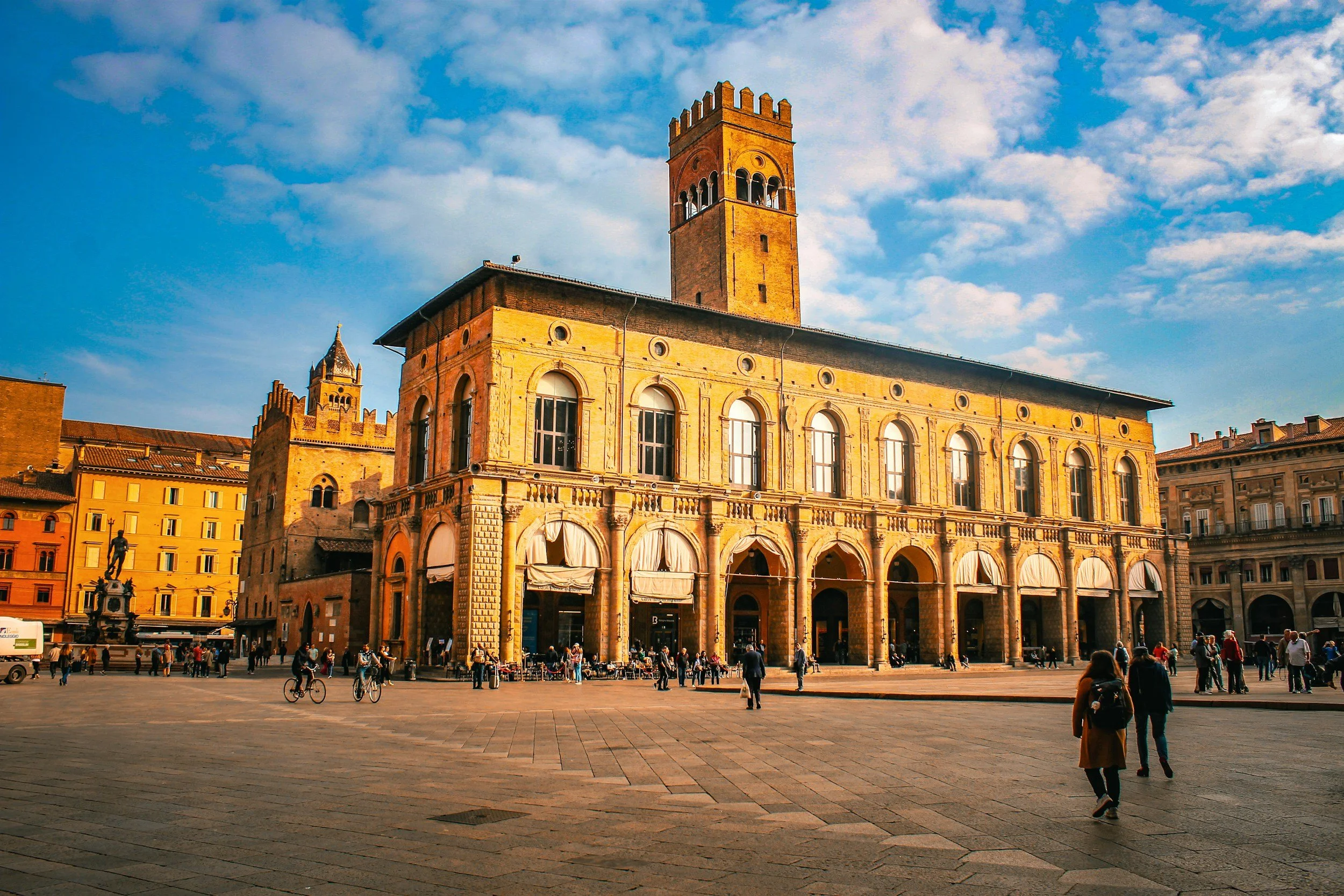
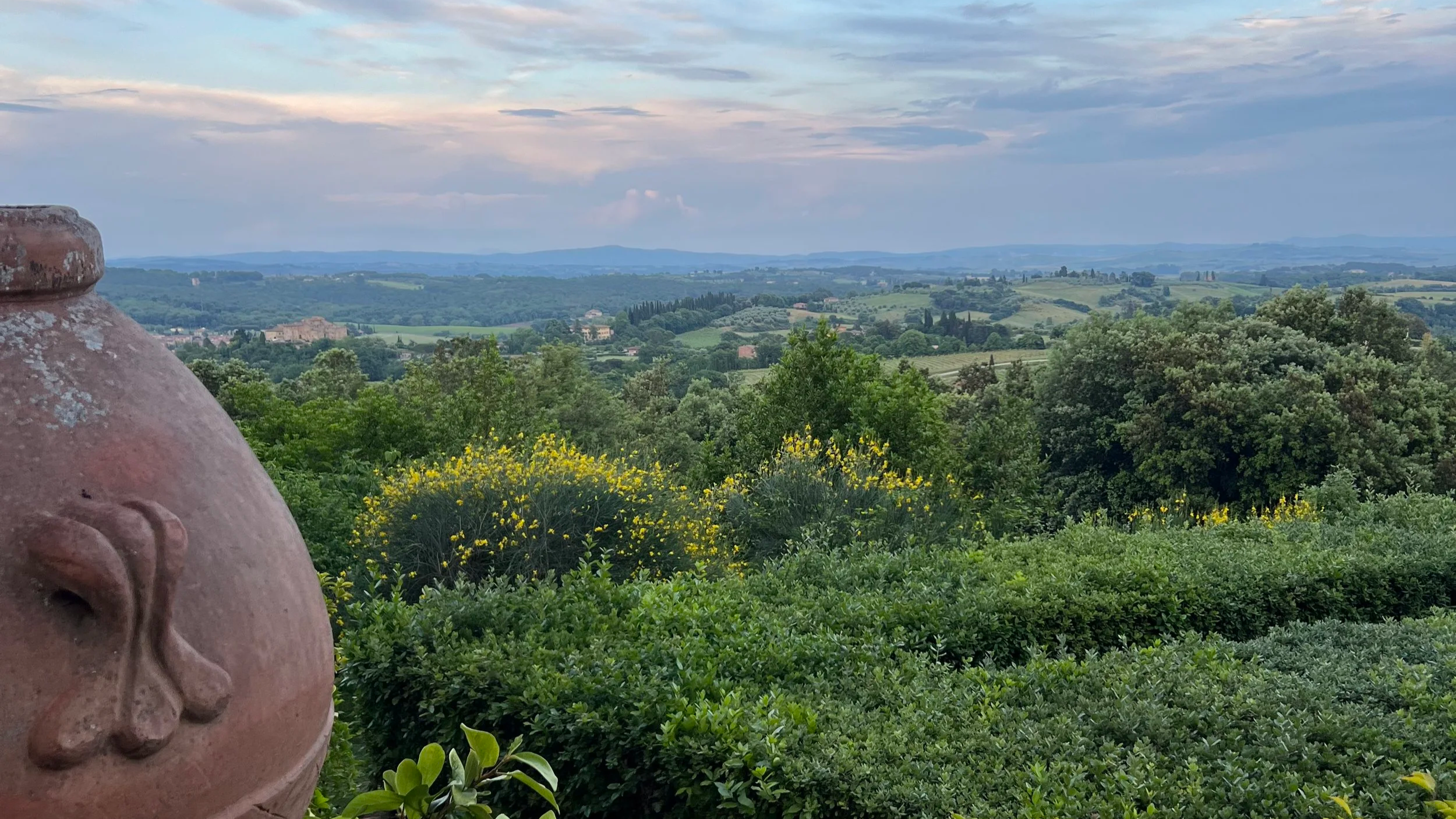
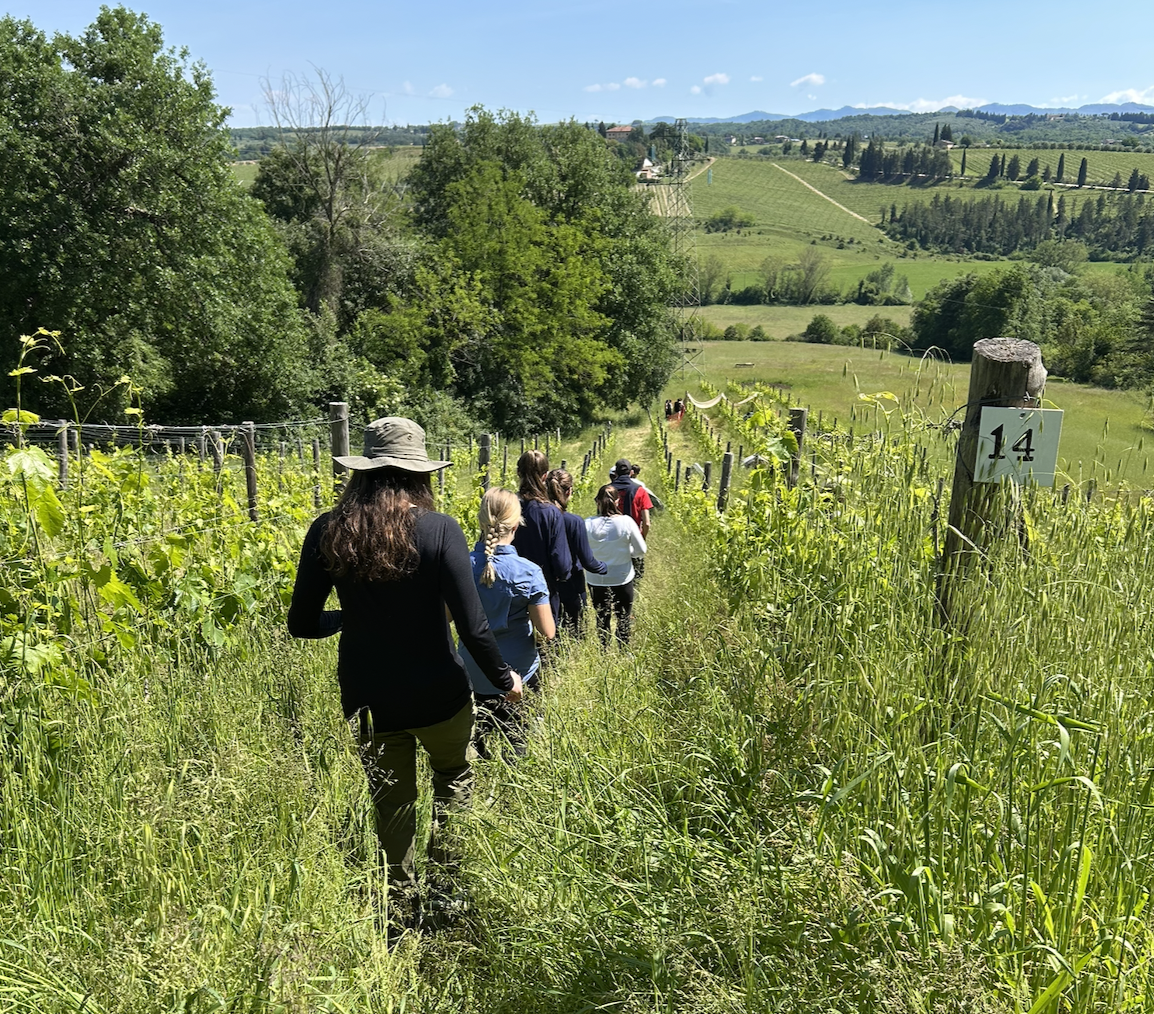
Programs in Italy are structured around immersive, place-based learning. Rather than moving quickly from site to site, participants are encouraged to spend time observing landscapes, engaging with producers, and understanding how history, environment, and contemporary pressures shape what ends up in the glass.
Vineyard and cellar visits with producers
Historic and neighborhood-based fieldwork
Market visits and food systems exploration
Guided discussions and structured reflection
Optional wine education sessions tied to course themes
Background
PhD in Archaeology, Stanford University
Research focused on cultural heritage, political change, and international influence
Experience designing and leading student programs in Italy
Background in research and user experience, bringing structure and intentionality to program design
Deep familiarity with Italian regions, producers, and cultural contexts
Key areas of focus
Wine and food as lenses into heritage, identity, and power
Cultural heritage as contested and politically constructed
Tourism, globalization, and their impact on local communities
Landscape as a product of historical and political change
Climate change and its impact on agricultural and cultural systems
Questions of authenticity, tradition, and who defines them
Start a Conversation
I’m always happy to talk through ideas. Whether you’re building a new program, expanding an existing one, or exploring ways to integrate food and wine into your curriculum, please reach out!